Today, sake from Japan has captivated people around the world. But what distinguishes the sake brewed in Nagano Prefecture? What lies at the heart of its appeal?
This introduction explores the natural environment, history, craftsmanship, and passion that makes Nagano's sake so alluring.
The Allure of Nagano Sake
Concept Movie
Mountain Blessings Nurture
The Fermentation Kingdom
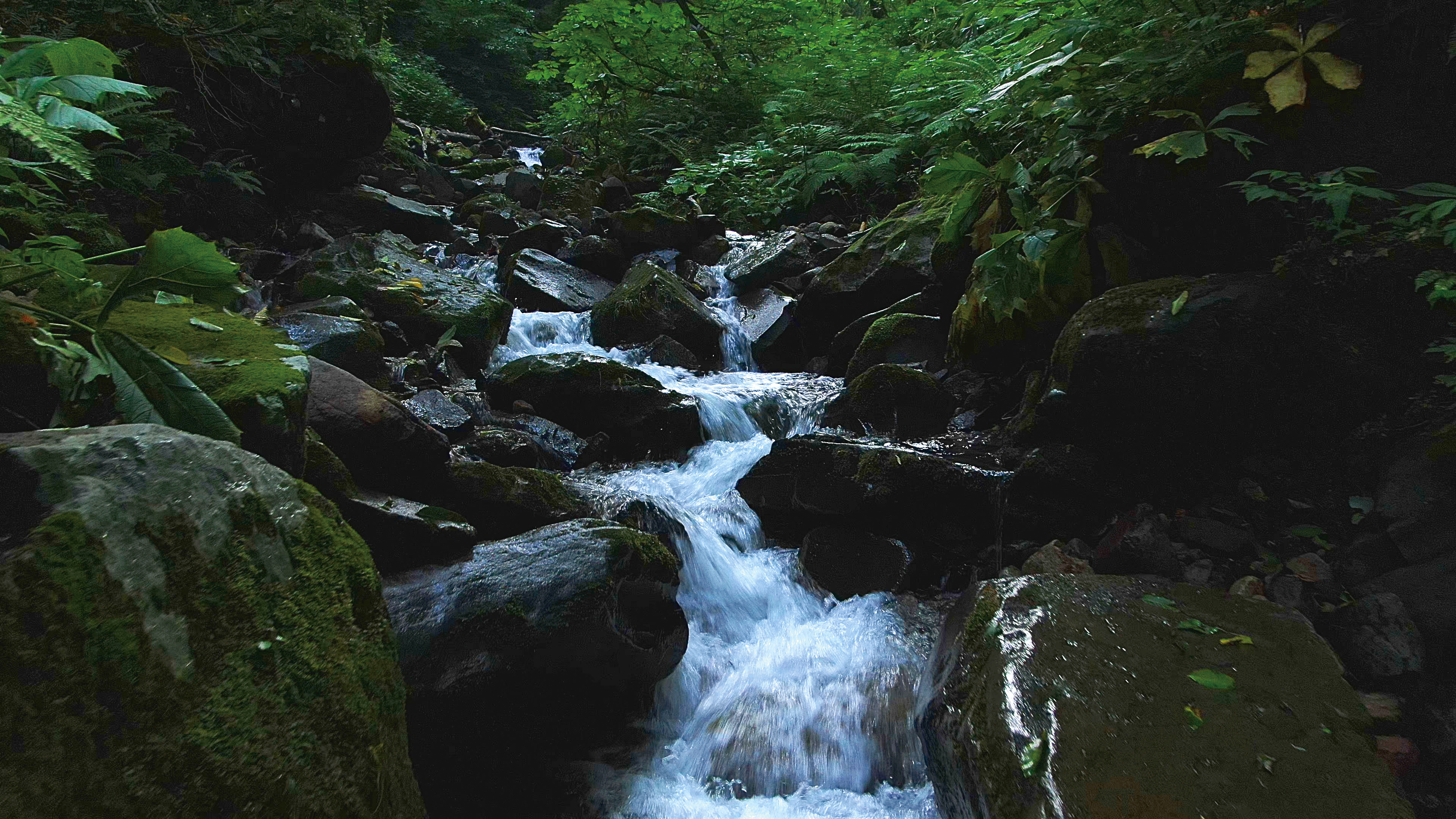
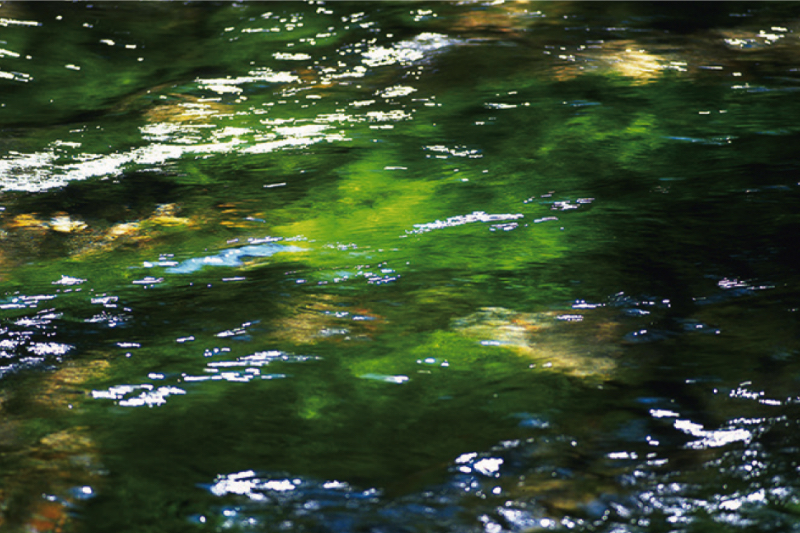
Snowmelt from 3000-meter mountains absorbs the character of each mountain as it flows beneath the forest. In summer, it feeds the rice fields, and along with the highland warm days and cold nights, it cultivates superior sake rice. In winter, it provides the brewing water that combines with the deep cold to create finely crafted sake. Naganoʼs many artisans use the power of microbes to ferment not only sake but also wine, miso, soy sauce, pickles, cheese, and more. Truly a mountain-born Fermentation Kingdom.
Mountain Toughness Instills
The Spirit of Craftmanship
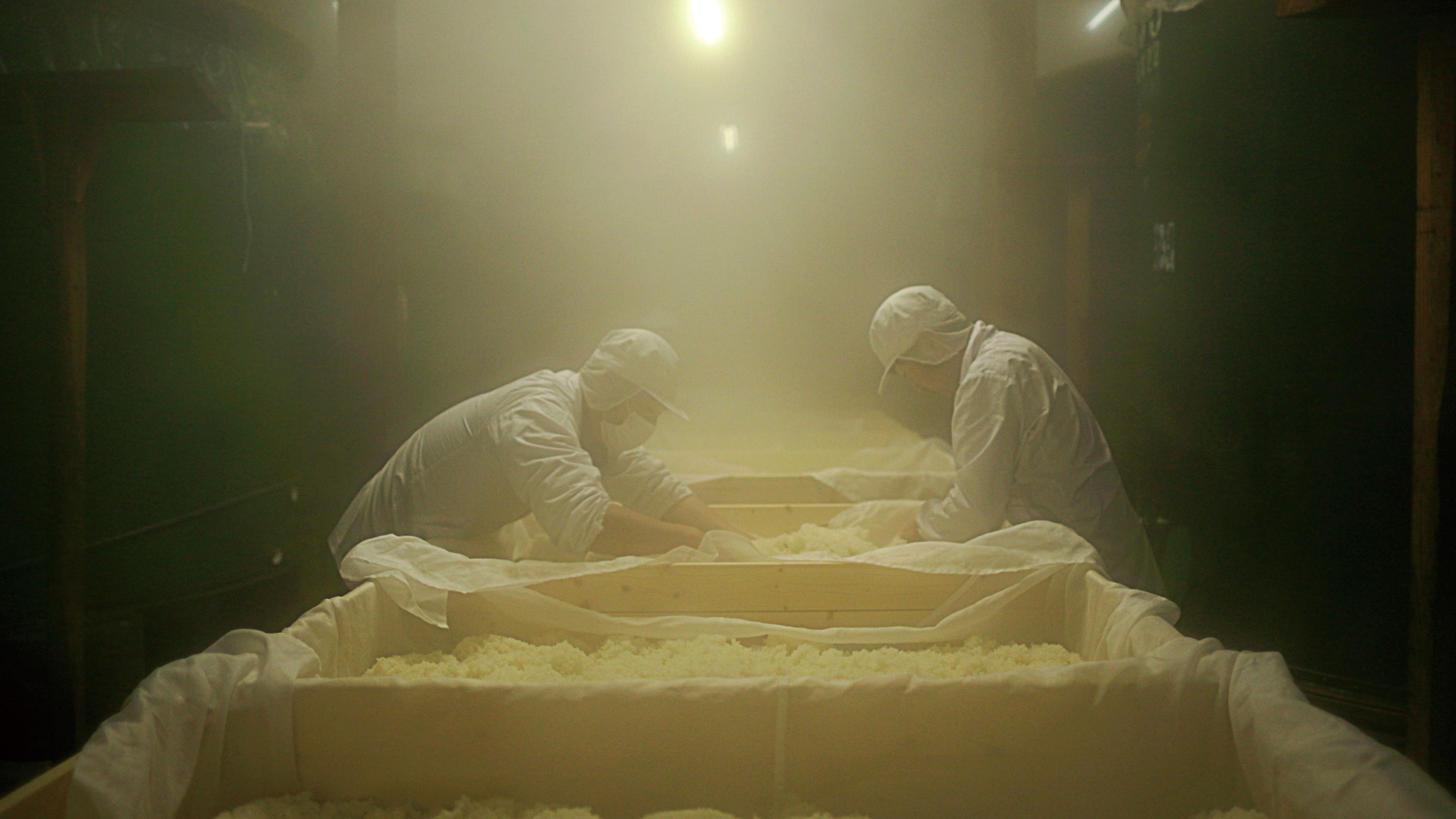
Along with the beautiful yet severe mountain environment, what makes Nagano Prefecture a fermentation kingdom are its hard-working crafts people. Struggling for generations with limited arable land and unforgiving winters has instilled the spirit of craftsmanship deeply into the blood of the people here. Not only have they learned to harness the power of organisms invisible to the naked eye, they always strive to sharpen their skills even more.
Mountains of Difference
Nurtured in the Valleys
Nagano runs 120km east to west and 212km north to south, with sake breweries situated from 300m to nearly 1000m in elevation. Each mountain valley harbors its own unique climate, water quality, local customs, dialect, and food culture. This diversity is what defines the character of Nagano sake. The prefecture boasts 80 sake breweries̶the second-highest number in Japan̶and each brewery aims for its own special style and taste.
Nagano Sake: Born from Mountain Nature and Mountain Culture
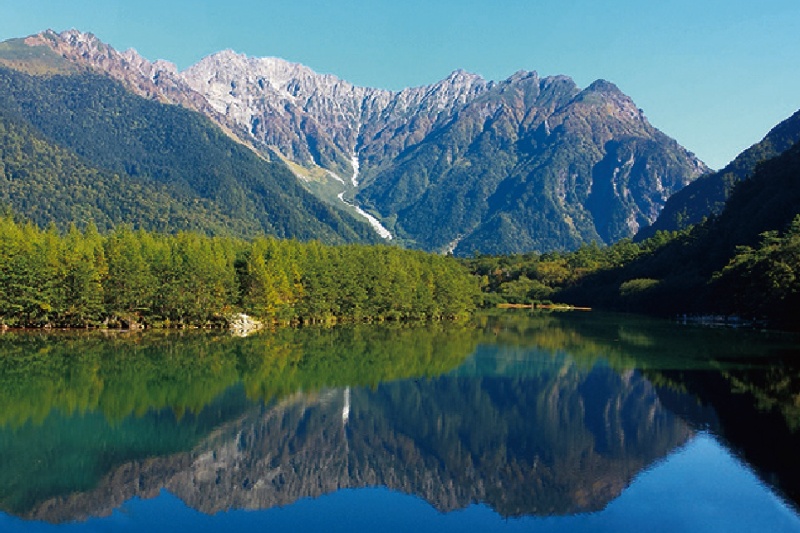
Surrounded by high mountains at the heart of the Japan Alps, Nagano Prefecture, often called "the roof of Japan", is famous for the beauty of its natural environment. The air is clear and natural spring water flows from the mountains. Summer is dry and refreshing, but winter brings heavy snow and severe cold. Thus the people of Nagano have not only enjoyed Nagano's natural blessings, but have also endured its harsh side since ancient times.
Until the 1870's, what is now Nagano Prefecture was a diverse collection of different feudal domains divided by the natural boundaries of mountains and valleys. This has given rise to unique food cultures and to equally unique sake varieties made by local sake breweries to match local food. This is why Nagano sake does not conform to a single type, but rather offers a wide variety of refined tastes.
Natural Gifts from the Mountains Nourish Nagano Rice and Nagano Sake
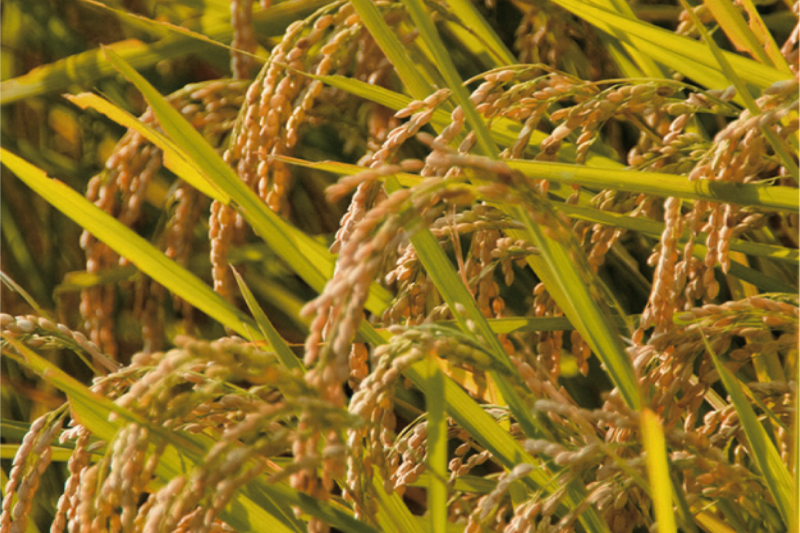
The pure, clean spring water flowing down through the mountains of Nagano provides minerals like calcium and magnesium that are essential for making high-quality sake with distinctive character. Since one 1.8L bottle of sake needs about 20 times that amount of water to produce, Nagano's abundant spring water is truly a gift from nature. This same spring water nourishes Nagano's excellent rice, including specialized sake rice varieties like Nagano's own "Miyama Nishiki", which ranks among the top three sake rice varieties in Japan.
Nagano Prefecture has the highest average elevation in Japan, and its highland climate is another natural gift. The cool, dry alpine summers further elevate the quality of Nagano rice. Ironically, even Nagano's severely cold alpine winters are a blessing in disguise for sake brewing, because the deep cold allows the toji (master brewer) to suppress bacterial growth and to achieve the long, low-temperature fermentation needed for high-quality sake production.
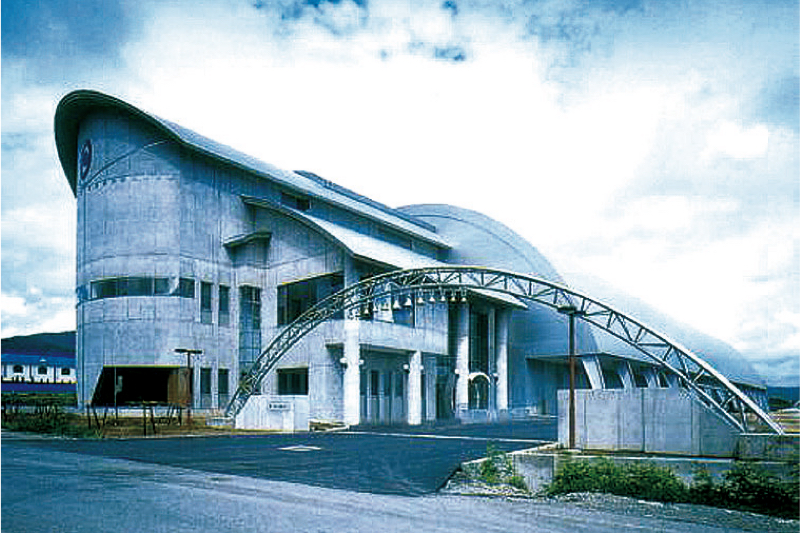
Alps Rice Polishing Factory
Located in Omachi City, the Alps Rice Polishing Factory is one of the largest rice polishing factories in Japan and delivers polished sake rice to sake breweries not only in Nagano prefecture, but also other prefectures. Since the quality of the rice differs every year, skilled staff fine-tune the computer polishing settings to match current rice conditions. The computers control the factory's 30 polishing machines that run 24 hours a day to deliver highly refined polished rice.
Thanks to cooperative sourcing from rice procurement to the polishing process, even small sake breweries are able to focus on the brewing process and to produce unique, high-quality sake. The factory has a visitor center to showcase its advanced facilities, and in its gift shop you can taste sake from breweries all over Nagano prefecture.
* Please call this number to make a reservation before you visit.
Tel: 0261-22-5251
(Address) 1040-250 Taira, Omachi-city
Nagano: A Leading Source of Sake Rice Varieties
Since the 1950's, Nagano Prefecture's agricultural research centers have been researching and developing new sake rice varieties that are suited for cold, high-elevation climates. Today, a number of Nagano's sake rice brands, including its most famous "Miyama Nishiki" variety, are grown beyond Nagano Prefecture in regions of Japan with similar climatic conditions.
Research continues in cooperation with various facilities to develop new sake rice varieties that not only produce high-quality sake, but are also resistant to diseases and can be grown more reliably in high elevation environments.
Generations of Sake Brewing Processes and Traditions
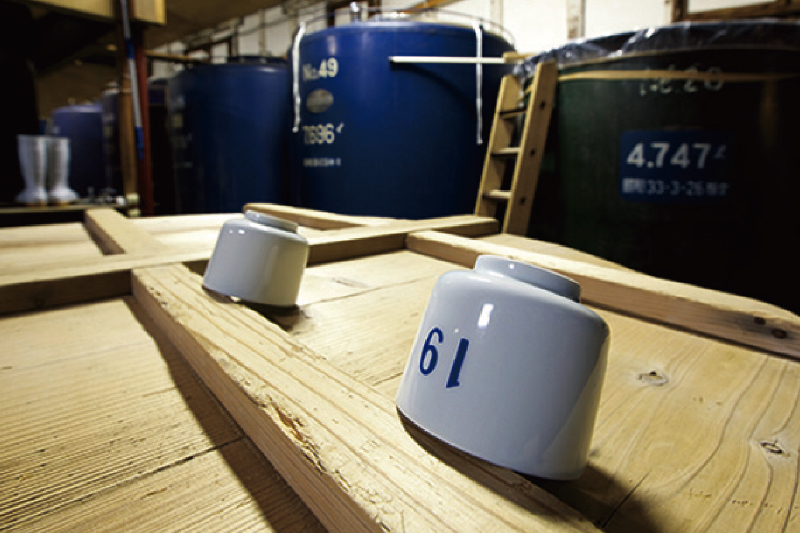
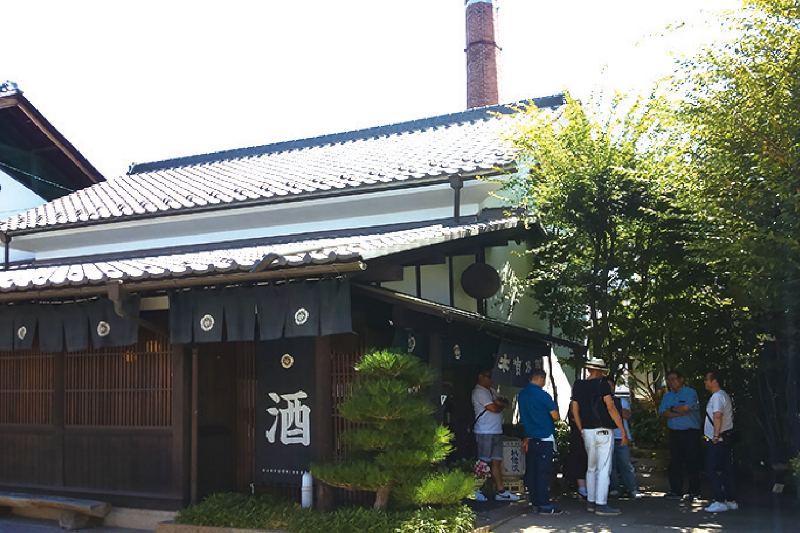
Each one of Nagano's sake breweries has inherited its own techniques and traditions developed and passed along over hundreds of years. Today, young master brewers work hard every day in order to produce unique, high-quality sake that leaves a deep impression on everyone who tastes it.
GI NAGANO
Nagano Prefecture established the GI Nagano geographical indication standards to protect and to promote the region and the sake produced within it. These standards aim to raise brand value within Japan, and to expand exports around the world.
YOMOYAMA NAGANO
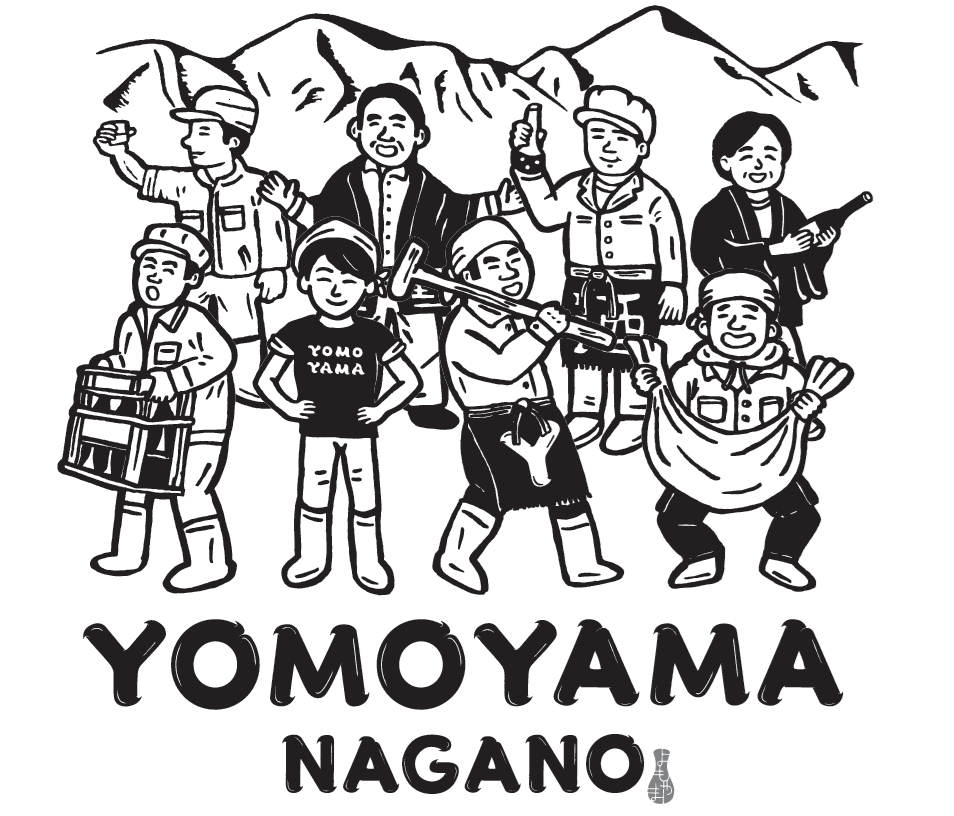
Nagano Sake Brewery Associationʼs biggest tasting event, staged in four cities across Japan. The event features an impressive lineup of sakes selected by each of Naganoʼs 80 breweries. The event is called “Yomoyama” because that expression means “telling various stories,” and at these events you can enjoy tasting delicious sakes while hearing their stories straight from the brewers themselves.
NAGANO SAKE COUNTRY TOURISM Stamp Rally
This stamp rally program is a way to enjoy the wide range of Nagano sake styles by visiting breweries across Nagano Prefecture. Along the way you can experience the local food culture and feel the passion of the brewery workers as they explain the local brewing methods.
* How to join. Download and print a stamp sheet from the following website.
Collect stamps during brewery visits, and then receive a certification or gifts according to the number of stamps you collect. For more details (in Japanese only), visit
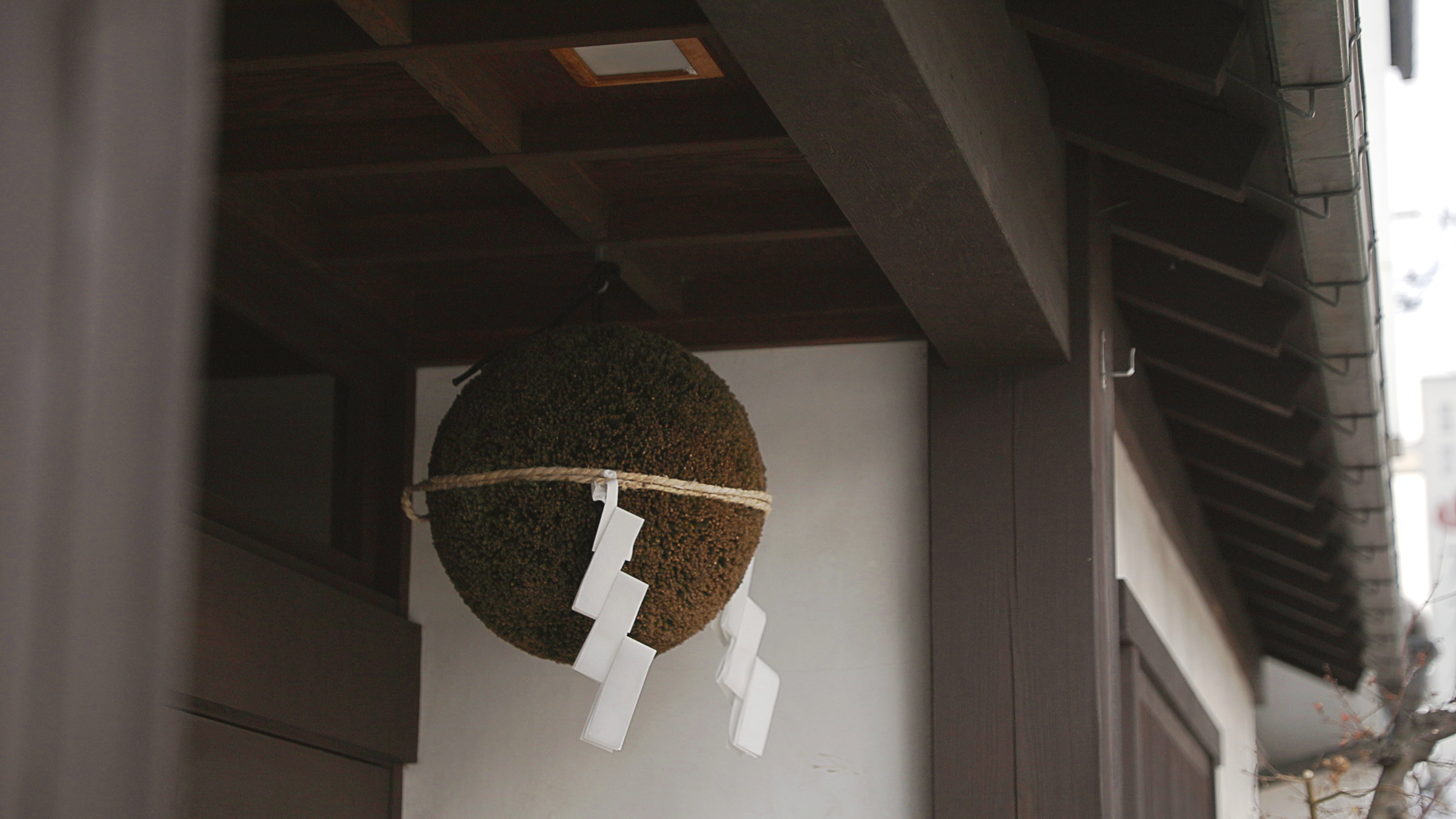
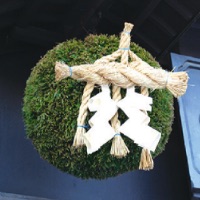
"Sakabayashi" is a ball made of Sugi (Japanese Cedar) tree branches that can be seen hanging at the entrances to sake breweries and shops or restaurants that sell sake. It is an ancient symbol of sake itself, and because the sakabayashi is replaced with a new one when the first new sake of the brewing season has been made, it is also a sign announcing that the fresh new sake is ready for sale. The Sugi tree from which it is made is a sacred tree in the Shinto religion, and the sakabayashi represents the original Sugi tree enshrined at Nara Prefecture's Omiwa Shrine associated with the Sake God. Sake brewers pray through the sakabayashi to the Sake God for the making of good sake.
Drink "Yawaragi-mizu" water when having sake
"Yawaragi-mizu" refers to water that you drink while drinking sake to soften the effects of alcohol. It helps you drink more slowly and refreshes your mouth to make the next sip of sake more delicious.